
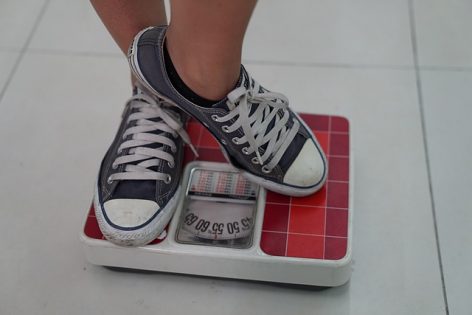
Maintain a healthy body with positive weight management
Weight management is not just about shedding pounds; it is about understanding your body, setting realistic goals, and making sustainable lifestyle changes. Our blog is dedicated to providing you with the knowledge, tools, and inspiration you need to make informed decisions about your health and well-being.
We delve into a wide range of topics, from nutrition and exercise to mental wellness and motivation. Our articles are designed to offer practical advice, evidence-based insights, and easy-to-follow tips to help you navigate the complexities of weight management. Whether it is understanding the nutritional value of your meals, creating an effective workout routine, or finding ways to stay motivated, we have got you covered.
One of the key aspects of successful weight management is recognising that it is a personal journey. There’s no one-size-fits-all approach, and our blog celebrates the uniqueness of everyone’s path. We share success stories, expert interviews, and personalized strategies to help you find what works best for you.
In addition to practical advice, we also emphasize the importance of mental and emotional well-being. Weight management is as much about the mind as it is about the body, and we provide resources to help you build a positive mindset, develop healthy habits, and overcome challenges along the way.
Join us on this empowering journey to better health and well-being. Together, let us create a balanced, sustainable, and fulfilling approach to weight management that enhances your overall quality of life.
Here’s to a healthier, happier you!

Most weight loss advice starts with what to cut out. We'd start with what to add, because something that feels good is easier to keep doing.
A glass of water before lunch. A 10 minute walk after dinner. Swapping the regular soda for sparkling water on the grocery run. None of those look impressive in a before and after photo, but they stack up over a month in a way a strict plan often doesn't.
Pick one change you can repeat on a bad week, not just a good one. That's the test we'd apply to any habit.
What's the small step you've kept doing, even on the busy days? Tell us below, we'd love to hear it.
#HealthyHabits #SmallSteps #BalanceAndJoy ... See MoreSee Less
0 CommentsComment on Facebook
Crash cuts take a toll on more than the scale. A study from China on combat athletes, reported by NutraIngredients on October 1, 2026, found that probiotic supplementation could ease the digestive side effects of rapid weight loss by supporting the intestinal barrier.
For those of us managing weight at home, I think that's a useful reminder. Slow and steady usually treats your digestion better than a shock to the system, and your gut is part of the bigger picture.
How do you keep your digestion steady when you're cutting back or changing your routine? Tell us below, we'd love to hear what's working.
#WeightManagement #GutHealth #SustainableWellness #HealthyHabits ... See MoreSee Less
0 CommentsComment on Facebook
I was reading about protein targets for weight loss, and the numbers have actually shifted compared to what most people think.
The updated recommendation sits around 1.6 to 2.2 grams per kilogram of body weight per day. For someone who weighs 160 pounds, that's roughly 116 to 160 grams of protein daily. That's a real number that requires actual meal planning, not just vague "eat more protein" advice.
Why does this matter for your weight loss journey? Protein does two things at once: it keeps you full longer (so you eat less without feeling deprived), and it protects your muscle mass while you're losing fat. That second part is huge because muscle is what keeps your metabolism running.
Most people think protein is only for gym people. It's not. If you're managing your weight, protein is literally the foundation. Eggs, Greek yogurt, cottage cheese, lean meats, even protein, forward snacks through the day. It's not complicated, just intentional.
The honest part? Hitting that target takes planning. But then again, so does everything worth doing. ... See MoreSee Less
0 CommentsComment on Facebook
The resistance training data keeps showing up in 2026 research, and it's worth paying attention to. When people combine lifting with cardio for weight loss, the resistance group ends up with 63% greater fat loss specifically, because the weights protect muscle tissue while you're losing weight.
That muscle matters. It keeps your metabolism active even after the workout ends, and it's the difference between losing weight and losing the weight while actually getting stronger.
Most of us think weight loss means cardio and calorie cutting. The smarter approach combines both, but prioritizes the resistance work. You don't need to spend hours at the gym either. Two to three sessions weekly focusing on compound movements like squats and deadlifts is the minimum effective dose.
If you're working toward weight management, consider adding resistance training to your routine. What's been your experience with mixing strength work into your fitness plan? Share what's worked for you in the comments. ... See MoreSee Less
0 CommentsComment on Facebook
Small habit changes layered over time beat dramatic overhauls. That's not just motivational talk, that's what behavioral research actually shows.
I came across a study looking at what separates people who sustain weight loss from people who yo, yo, and the pattern is consistent: those micro steps matter more than you'd think. Not one perfect meal plan or one intense workout phase. Instead, it's adding protein to breakfast, then adding strength training twice a week, then sorting out sleep, then tackling stress. Each one layered in.
Why? Because your brain can handle one new thing. Two new things if you're ambitious. But four simultaneous life overhauls? That's when most people tap out by week three.
The other thing that jumped out is that this approach works even better when you're using medical support like GLP, 1 medications. The medication suppresses appetite, sure, but the medication alone doesn't win long, term. It's the medication plus the behavioral coaching, the meal planning, the consistency. That combination is what produces results that actually stick.
So if you've been waiting for the perfect time to start, or for motivation to strike, consider this: start with one small thing. What's one habit you could layer in this week without turning your life upside down? ... See MoreSee Less
Weight Loss Trends 2026: What Actually Works Now
www.wildflowerweightloss.com
Discover what weight loss trends 2026 actually work. Unpack new meds, updated protein targets, and effective habit changes for real results!0 CommentsComment on Facebook
You know the feeling when you start strong on weight loss, then somewhere around week four, life gets in the way? That's actually where most people give up.
What's interesting about recent research is that it flips the script on what "success" means. Turns out, the people who actually keep weight off aren't the ones who lose it fastest. They're the ones who lose it slowly and deliberately, around 0.5 to 2 pounds per week, while protecting their muscle mass.
Why does that matter? Because losing weight too quickly often tanks your metabolism and strips away muscle you need. Then when life happens (which it always does), you bounce back harder than before.
The real skill isn't dropping 20 pounds in 8 weeks. It's building habits that work for you on weeks when work is mental, when you're traveling, when you're tired. Protein at every meal. Strength training twice a week. Enough sleep. Nothing glamorous, but it sticks.
What's one habit you've actually kept going for longer than a month? Drop it below, I'm curious what works for real people. ... See MoreSee Less
How to Lose Weight in 2026 Sustainably - NutriMind
getnutrimind.com
The ultimate guide on how to lose weight in 2026 with sustainable, science-backed methods. Covers nutrition, exercise, personalization, and tools for lasting results.0 CommentsComment on Facebook
A recent study found something that might shift how you think about your weight loss journey. People who frame their goals as positive actions, things to do rather than avoid, perform significantly better over time than those focused on restriction.
So instead of "I can't eat that, " it becomes "I'm choosing nourishing meals." Instead of "I have to exercise, " it's "I'm building strength and energy." The language shift sounds small, but it actually rewires how your brain approaches the whole thing.
We see this play out constantly. When someone stops thinking of their journey as deprivation and starts thinking of it as addition, adding movement they enjoy, adding foods that make them feel good, adding habits that fit their actual life, that's when things stick.
The research also shows that motivation itself is modifiable. It's not fixed. Especially in the early stages, when you're building the foundation, leaning into intrinsic motivation (the stuff driven by how it makes you feel, not just the number on the scale) makes a real difference.
What's one thing you could reframe as something you're choosing to add rather than take away? Start there. ... See MoreSee Less
12 Realistic Weight Loss Resolutions You'll Keep in 2026
www.knownwell.co
Your 2026 weight loss resolutions don't need to be extreme to work. Learn how small, sustainable changes can help you feel better in 2026.0 CommentsComment on Facebook
One thing I keep noticing is how much we complicate weight management. We talk about "losing weight" like it's a destination, when really it's about building habits that make you feel genuinely good.
Here's what shifts the conversation: stop focusing on the scale for a minute and ask instead, "What foods make me feel energized? What movement do I actually enjoy? What routine fits my life without turning it upside down?"
When you anchor yourself to how you feel rather than just numbers, the sustainable changes follow naturally. A friend of mine swapped her afternoon snack habit for a 10, minute walk. Nothing dramatic. But after a month, she had more energy, slept better, and felt stronger. That's the kind of shift that sticks.
Weight management isn't about punishment or perfection. It's about curiosity and small decisions that align with how you want to feel. What's one small change you've made that actually felt sustainable? I'd genuinely love to hear what's worked for you. ... See MoreSee Less
0 CommentsComment on Facebook
August 6th is UK Cycle to Work Day, and it's one of those moments where you realize how much a single ride can shift your perspective on commuting. Instead of sitting in traffic, you're out there moving, breathing fresh air, and building real fitness without the pressure of a "gym session."
The beauty of cycling as a commute is that it doesn't feel like exercise. You're getting to work, sure, but you're also improving your cardiovascular fitness, boosting energy levels, and supporting weight management all at once. Plus, it saves money on fuel and parking when fuel prices keep climbing.
If you've been curious about cycling but haven't made the jump, this is the perfect excuse to try it. Start with just one or two days a week if you want. Even swapping a few car journeys for bike rides makes a noticeable difference in how you feel.
Are you cycling to work already, or is this the nudge you needed to give it a try? Drop your thoughts below! 🚴♂️ ... See MoreSee Less
UK Cycle to Work Day 2026 | Benefits of Cycling to Work
fusioncare.co.uk
Celebrate UK Cycle to Work Day 2026 by discovering how cycling to work supports employee wellbeing, sustainability, and healthier workplaces across the care sector.0 CommentsComment on Facebook
Protein at breakfast is a quiet game, changer for weight management. Sounds simple, but it actually works.
I was reading about how people who eat a palm, sized portion of protein (eggs, fish, chicken, tofu, whatever works for you) at breakfast report less hunger and fewer snacking urges throughout the day compared to carb, heavy mornings. It's not about restriction or cutting things out. It's about what keeps you satisfied.
The research is pretty clear on this: protein produces the strongest satiety response of any macronutrient. When you feel fuller longer, the rest of your day gets easier. You're not white, knuckling through 3 PM cravings or reaching for snacks you don't actually want.
Worth trying for a week just to see how you feel. Small shifts like this are the ones that actually stick around because they're not painful to maintain.
What's your go, to breakfast protein? Share what works for you. 💪 ... See MoreSee Less
New Year's Weight Loss: Sustainable Habits for 2026
www.femsurgery.com
Build lasting weight loss habits with practical nutrition, movement, and lifestyle strategies that support health and wellbeing.0 CommentsComment on Facebook